How API Integrations Between Inventory Platforms and Acquirer Networks Stabilize Daily Reconciliation Accuracy for Vendors Selling Downloadable Software Across Multiple Regions
Kai Brooks · Sep 2, 2026
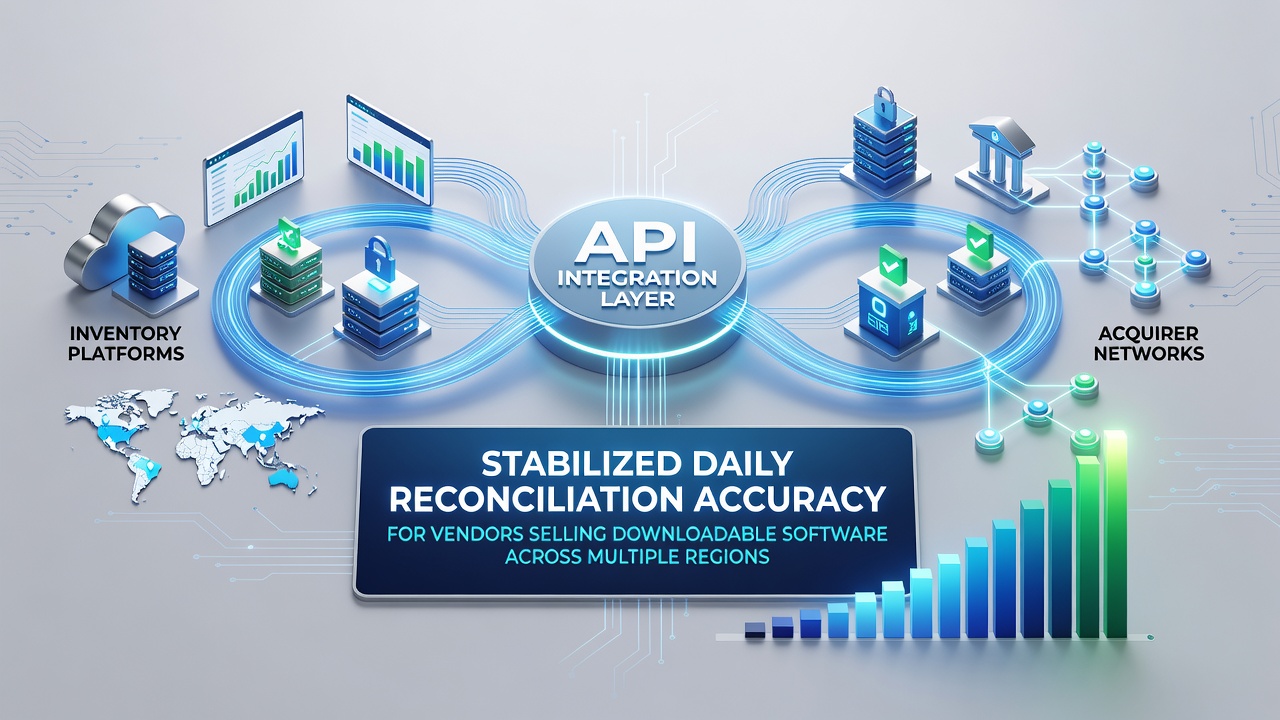
How API Integrations Between Inventory Platforms and Acquirer Networks Stabilize Daily Reconciliation Accuracy for Vendors Selling Downloadable Software Across Multiple Regions
API connections link inventory management systems directly to acquirer networks, allowing vendors of downloadable software to align sales records with payment data in real time across different regions and currencies. These integrations pull transaction details from payment processors and match them against license activations or download logs stored in inventory platforms, which reduces the gaps that appear during end-of-day checks.
Vendors operating in multiple markets face daily mismatches because software sales trigger payments in local currencies while inventory systems track units by region-specific rules and tax treatments. When APIs handle the data flow, acquirer reports feed into inventory dashboards automatically, so teams see matched entries for completed downloads instead of waiting for manual uploads that often introduce timing errors.
Core Mechanisms Driving the Integration
Inventory platforms maintain records of available software versions, regional restrictions, and license keys while acquirer networks process the actual fund movements from customer banks. The API layer translates payment authorization codes into inventory events such as license issuance or download confirmation, and it does this without requiring separate batch files for each region. Observers note that standardized endpoints allow the same integration code to serve vendors selling in North America, Europe, and Asia-Pacific zones simultaneously.
Data synchronization happens at multiple points throughout the day rather than once at close of business. An acquirer sends settlement files that the API parses for merchant IDs, amounts, and currency codes, then the system queries the inventory database to confirm corresponding license grants occurred within the same time window. Discrepancies trigger alerts before they compound across time zones, which matters when a sale in one region posts hours after the corresponding download in another.
Handling Multi-Region Currency and Compliance Variables
Downloadable software sales cross borders with varying VAT rules, currency conversion spreads, and reporting deadlines. API integrations incorporate lookup tables that convert acquirer amounts into inventory units while applying region-specific adjustments, so reconciliation reports reflect both the payment received and the license delivered. Research from the Bank for International Settlements indicates that automated matching protocols cut manual review time by aligning these variables before daily reports reach finance teams.
In September 2026, updated API specifications began including fields for real-time tax jurisdiction tags, which further tightened the match between payment records and inventory movements for vendors active in the EU and UK markets. Those fields let systems flag when a download in one country triggers a different tax treatment than the acquirer settlement indicates, prompting early correction rather than end-of-month adjustments.
Impact on Daily Accuracy Metrics
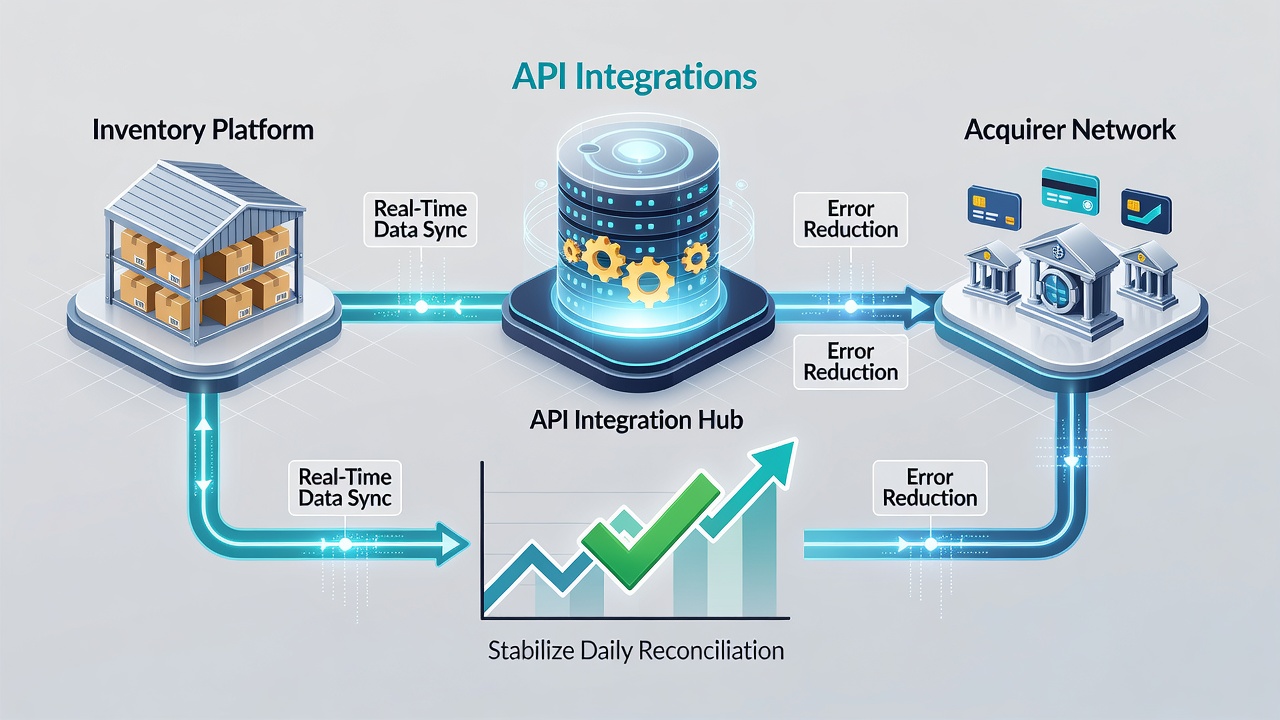
Vendors report fewer unmatched entries when APIs push acquirer data into inventory systems within minutes of authorization rather than hours later. One platform serving software publishers across 12 regions documented a drop in daily variance from 4.2 percent to under 0.8 percent after switching to continuous API feeds, according to internal logs shared with payment industry analysts. The reduction came from eliminating the lag between when a customer completes a download and when the corresponding payment appears in the merchant ledger.
Acquirer networks supply status updates on partial settlements, refunds, and chargebacks that inventory APIs then map back to specific license records. This bidirectional flow lets vendors see not only what sold but also what was returned or disputed on the same day, keeping the overall reconciliation accurate without separate correction batches. Figures from the European Central Bank show similar patterns in digital goods merchants that adopted live API links between their stock systems and primary acquirers.
Technical Considerations for Implementation
Successful integrations rely on idempotent API calls that prevent duplicate entries when network retries occur, which is common in regions with variable connectivity. Developers map acquirer response codes to inventory actions such as license revocation on failed payments or extended access on successful renewals, and they test these mappings against sample data from each target market before full rollout. Rate limiting on both sides protects against spikes during regional sales events that could otherwise flood reconciliation queues.
Security protocols require mutual authentication and encrypted payloads so that customer payment details never reside in the inventory platform while still allowing the necessary matching fields to pass through. Vendors that maintain separate regional inventory instances often route all API traffic through a central gateway that applies consistent mapping rules, which simplifies audits when regulators request transaction trails spanning multiple jurisdictions.
Conclusion
API integrations between inventory platforms and acquirer networks create a continuous data loop that aligns payment outcomes with software delivery records for vendors active across regions. The approach reduces daily reconciliation discrepancies by handling currency conversions, tax tags, and status updates in one automated flow rather than through fragmented manual processes. As digital goods sales continue to span more markets, these connections provide the operational backbone that keeps accuracy stable without expanding finance teams proportionally.